

9 Weeks to Ski Season: Your Complete Winter Sports Prep Checklist
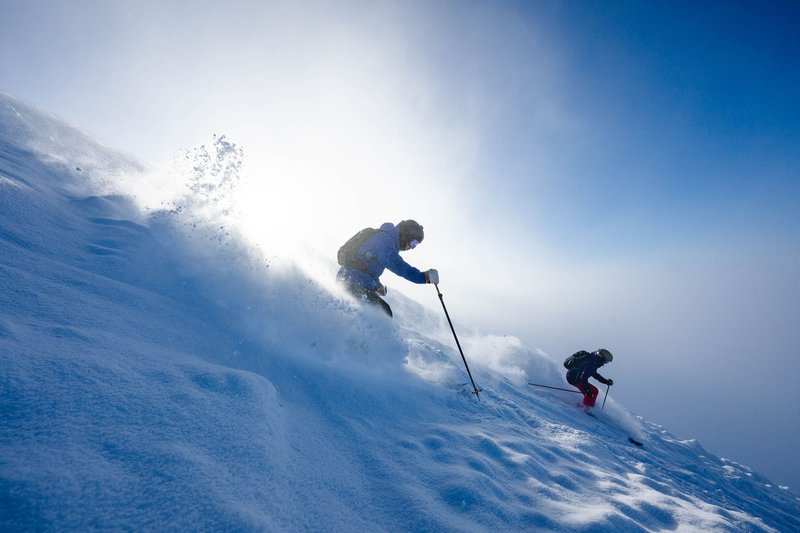
September 16th. The air in Los Angeles is still warm, the trails are dry, and the mountains feel like a distant dream. But here's the thing — ski season is only nine weeks away, and the skiers and riders who show up strongest on opening day are the ones who started preparing right about now. Whether you're a weekend warrior, a family hauling four sets of skis up the 210, or a competitive racer chasing personal bests, this checklist will walk you through everything you need to tackle before that first lift spins: gear, passes, and fitness. Let's get into it.
Step 1: Audit Your Gear Before You Need It
The worst moment in skiing is standing at the base of a mountain realizing your boots don't fit your kid anymore, your edges are dull, or your helmet is cracked from that wipeout two seasons ago. Pull everything out of storage this week and go through it systematically.
Start with your boots. They take the most punishment and fit changes — especially for growing kids. Press your thumb on the toe box, flex forward, and make sure there's no excess heel lift. If boots are more than five seasons old or feel different than you remember, get a professional boot fitting before the rush hits in November. Next, inspect your skis or snowboard. Run your fingernail across the base — deep gouges need a full base repair, not just a wax. Check your edges for rust or burring. A tune now, when every shop has open bench time, costs the same as a rushed tune in December but comes back faster and better. Finally, go through helmets, goggles, gloves, and outerwear. Helmet foam compresses after significant impacts; if yours took a hard hit, replace it. Check goggle lenses for scratches that will scatter flat-light visibility. Make sure your gloves are waterproof and your jacket and pants seams are sealed.
Step 2: Lock In Your Season Pass or Lift Tickets
If you haven't bought your season pass yet, do it before October. Most California resorts — Mammoth, Big Bear, June Mountain — offer their best early-season pricing through late September or early October. Multi-resort passes like Ikon and Epic typically have windows that close or jump in price in the fall. Waiting until December almost always costs you more, and you risk selling out on popular reservation windows.
For families and groups, coordinate early. If you're booking lessons for kids, opening-weekend slots at most resorts fill within days of becoming available. Same goes for ski school group reservations and private instruction. Put a reminder on your calendar right now to book lessons the moment registration opens at your resort of choice. And don't forget lodging — if a mountain trip is on the agenda, nine weeks is a comfortable booking window, but it narrows fast once the first snow reports land.
Step 3: Build Ski-Ready Fitness Starting Now
Nine weeks is genuinely the ideal lead time for ski-specific conditioning. It's long enough to build real strength and stability, and short enough that the motivation stays sharp. The movements skiing and snowboarding demand — sustained quad engagement, lateral stability, rapid edge-to-edge transitions, and core bracing — are not things your body gets from a standard gym routine. They need targeted work.
Focus on four pillars: leg strength (squats, lunges, Bulgarian split squats), lateral power (skater hops, lateral band walks, side-to-side box step-overs), balance and proprioception (single-leg balance work, wobble board drills), and cardiovascular endurance (sustained zone-2 cardio to handle long runs without burning out). Aim for three to four focused sessions per week. If you have any existing knee, hip, or lower-back issues, see a physical therapist now — not in December when you're already in pain on the mountain.
Step 4: Get on a Simulator Before You Get on Snow
Here's the honest truth about the first few days of every ski season: your technique is rusty. Your body forgot some of the muscle memory. You're gripping too hard, banking instead of carving, and your weight distribution is off. That rust costs you enjoyment, and in some cases it leads to injury. The most effective way to bridge the off-season gap is simulator training.
Home Mountain, located right here in the Los Angeles area, is one of the most accessible and effective resources available to Southern California skiers and riders. Using SkyTechSport ski and snowboard simulators, Home Mountain lets you practice real skiing and snowboarding movement on a moving surface that replicates on-snow feel — indoors, year-round, without a four-hour drive or a lift ticket. You can work on your stance, your turn initiation, your edge control, and your balance in a coached environment. Beginners can learn the fundamentals before they ever clip into a binding on a mountain. Advanced skiers can iron out technical habits that no amount of fitness work will fix on its own. If you're serious about showing up to opening day ready to ski your best, booking a few simulator sessions in October and November is one of the smartest investments you can make.
Step 5: Handle the Admin Details
A few practical items tend to slip through the cracks until the last minute. Add these to your checklist now. Check that your vehicle is mountain-ready — tires with adequate tread, chains or cables in the trunk if required, an emergency kit for winter driving conditions. California chain control laws apply frequently on highways to Mammoth and Big Bear; getting caught without chains means turning around. Review your health insurance details if you're planning bigger mountain trips — some backcountry and ski patrol rescue situations can generate unexpected costs. Consider travel insurance for multi-day resort trips if your schedule is weather-dependent. Update your emergency contacts and share your ski day plans with someone back home, especially for backcountry or sidecountry outings.
Your 9-Week Countdown at a Glance
Week 1-2: Pull out all gear, inspect everything, drop skis or board for a tune and wax. Buy your season pass or lift tickets. Book lessons and lodging if applicable. Week 3-4: Begin ski-specific strength and conditioning program. Book your first simulator session at Home Mountain. Week 5-6: Continue training, increase intensity and duration. Address any gear gaps — new boots, replacement gloves, fresh goggles. Week 7-8: Get one to two more simulator sessions in to dial in your technique. Confirm all bookings. Week 9: Prep your vehicle, pack your bag, and get excited. You've done the work.
Nine weeks sounds like plenty of time — and it is, if you start today. The skiers and riders who treat the off-season as part of the season are the ones who enjoy every single run instead of spending the first half of December remembering how to ski. Start with the checklist, train consistently, and use every resource available to you — including the outstanding indoor training options right here in Los Angeles. See you on the mountain.
Start Your Ski Season Prep Today
Book a simulator session at Home Mountain and arrive at opening day ready to ski your best.
Book a Session →