

Your Holiday Ski Readiness Plan: Get Slope-Ready This Season
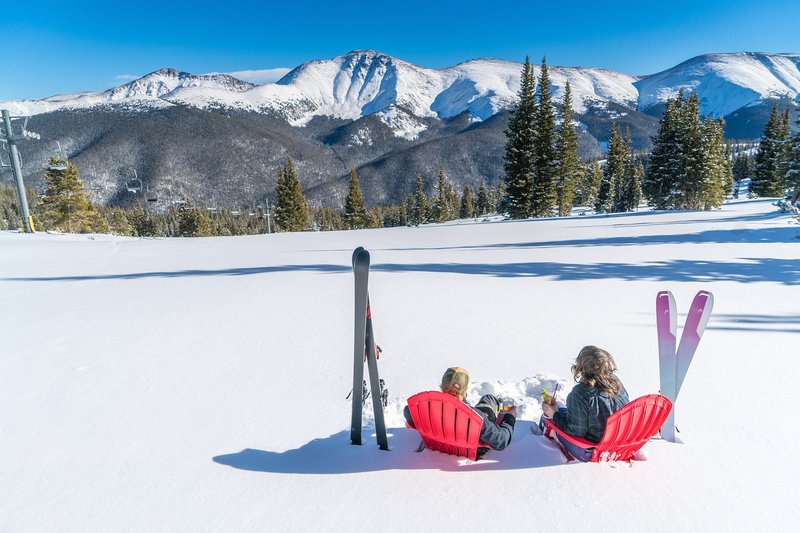
The holiday ski trip is one of the most anticipated events on any winter calendar. Whether you are heading to the Alps, the Rockies, or a local mountain, the last thing you want is to spend the first two days working the soreness out of muscles you forgot you had. A solid holiday ski readiness plan changes that completely. Starting your preparation now — even six to eight weeks out — means you step off the chairlift on day one ready to make the most of every run.
Why Pre-Season Preparation Really Matters
Skiing and snowboarding are full-body activities that demand strength, balance, cardiovascular endurance, and sport-specific movement patterns that most of us simply do not use during everyday life. Without preparation, the first day on snow typically triggers delayed-onset muscle soreness — particularly in the quadriceps, glutes, and core — that can sideline you for a precious vacation day. Beyond comfort, unprepared skiers also face a higher injury risk, because fatigue compromises the small stabilising movements that protect knees, ankles, and hips. Building those capacities before you travel is the single most effective thing you can do to improve both enjoyment and safety.
Phase 1 — Foundation Fitness (Six to Eight Weeks Out)
Start with a foundation phase focused on three pillars: lower-body strength, cardiovascular base, and mobility. Wall sits, goblet squats, Romanian deadlifts, and lateral band walks target the exact muscle groups skiing demands. Pair these with two or three cardio sessions per week — cycling, rowing, or hiking work well — to build the aerobic capacity you need to sustain effort across a full day of runs. Do not overlook hip flexor and ankle mobility work; tight ankles in particular limit your ability to flex properly in ski boots, which throws off every movement downstream.
Phase 2 — Skill Sharpening with Indoor Simulator Training
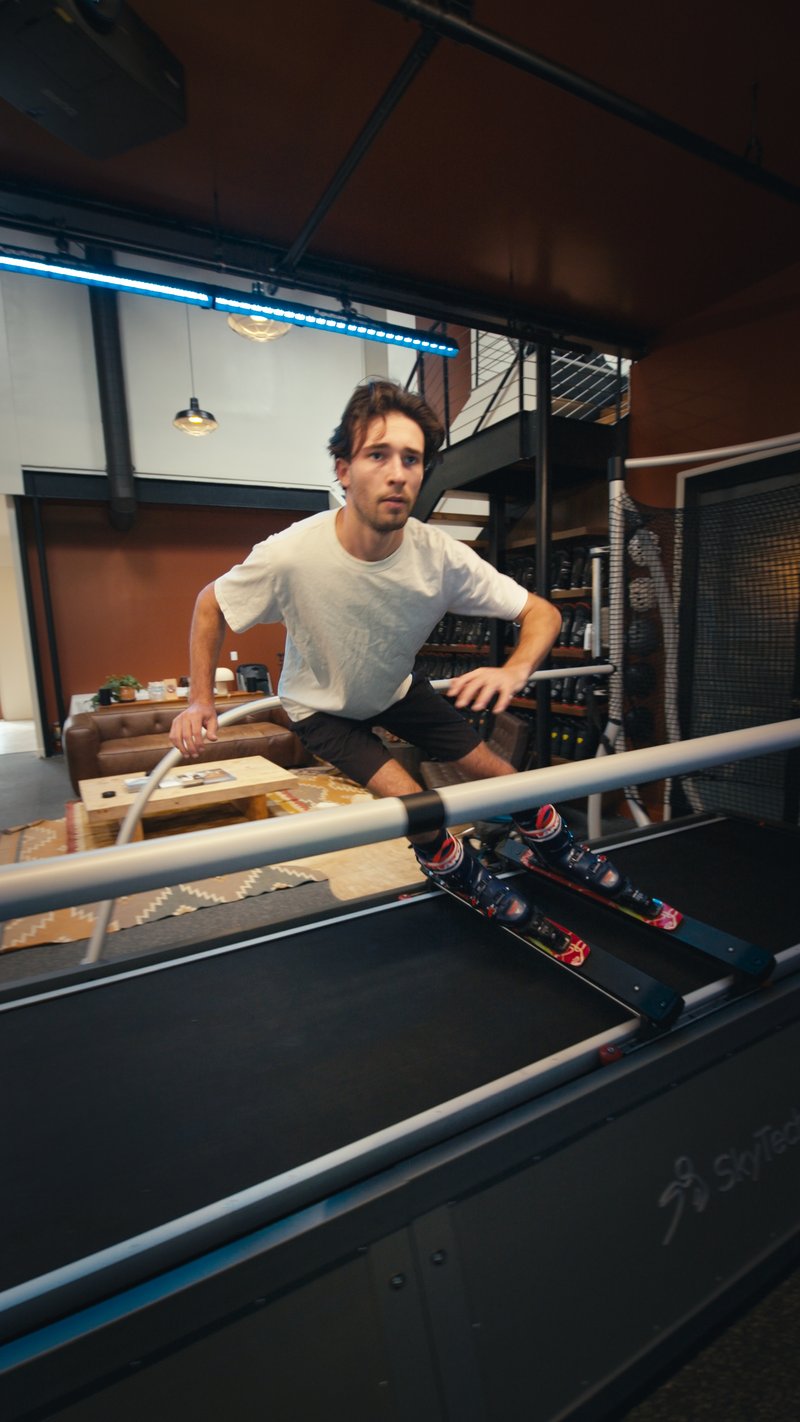
Fitness alone is not enough. Skiing is a skill sport, and neural pathways built during the off-season fade if they are not refreshed before you return to snow. This is where indoor training at a facility like Home Mountain becomes invaluable. Our ski and snowboard simulators, powered by SkyTechSport technology, recreate authentic slope movement on a moving surface that reacts to your body position, edge pressure, and weight transfer in real time. A few focused sessions on the simulator in the four weeks before your trip will reactivate muscle memory, iron out technical habits that crept in at the end of last season, and rebuild the proprioceptive confidence that makes skiing feel natural. Instructors can see your movement patterns clearly in the indoor environment and give precise, actionable feedback that is much harder to deliver on a busy piste.
Phase 3 — Balance and Reaction Training
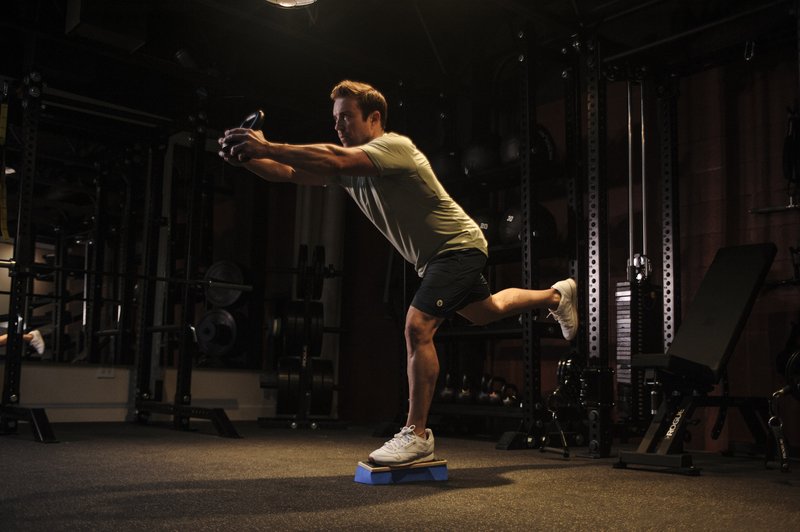
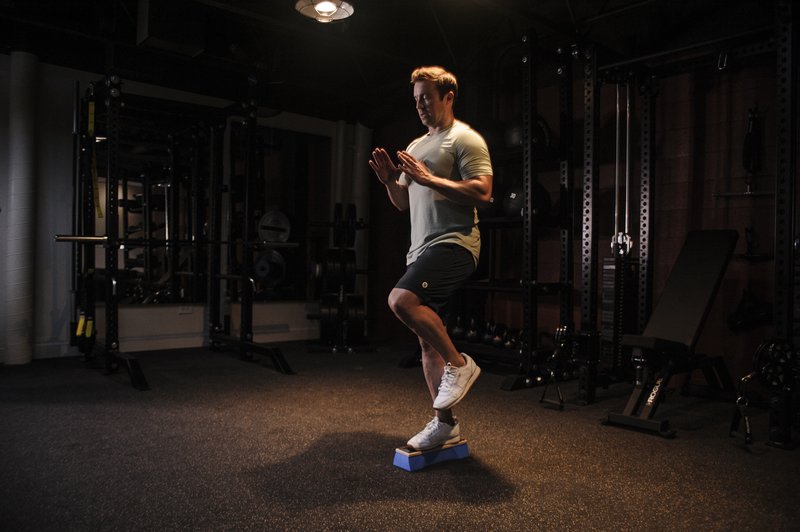
Great skiing is fundamentally great balance under constantly changing conditions. In the two to three weeks before your holiday, add dedicated balance and reaction work to your programme. Single-leg exercises, BOSU ball squats, and perturbation training all transfer directly to the mountain. At Home Mountain, the BalancePlay Pro takes this further — it is an interactive balance platform that challenges your stability with dynamic movements and real-time feedback, making balance training genuinely engaging rather than a chore. Even short ten-to-fifteen minute sessions a few times per week produce noticeable improvements in edge control and recovery when you are on snow.
The Week Before You Travel
The final week is about freshness, not fitness gains. Taper your gym sessions, keep one light simulator or balance session in the diary to maintain movement patterns, and shift your focus to logistics. Check your equipment — boots that have been sitting in a bag for eleven months may need their liners refluffed or buckles adjusted, and it is worth visiting a boot fitter if you have been experiencing discomfort. Sort your layers, confirm your ski school or guide bookings if applicable, and plan your arrival day so you have time to acclimatise before your first full day of skiing. Hydrating well and arriving rested matters more in that final week than one last hard training session.
Building Your Personalised Plan at Home Mountain
Everyone arrives at the start of their holiday ski readiness plan from a different baseline. A returning expert who skied fifty days last season needs a different programme than someone who last visited a mountain three winters ago. At Home Mountain Ski Club, our instructors build individual training programmes around your current fitness level, technical ability, holiday timeline, and goals. Sessions on our ski and snowboard simulators are available for complete beginners through to advanced skiers working on race technique or freestyle progression. We also offer structured six-week readiness programmes that walk you through every phase described above, combining simulator time, BalancePlay Pro sessions, and off-machine coaching in a single coherent plan. If your holiday is eight weeks away, there is genuinely no better time to start than today.
Start Your Ski Readiness Plan Today
Book a session at Home Mountain and arrive at your holiday mountain confident, strong, and ready to ski.
Get Ready! →