

How Do Indoor Ski Lessons Work? Your Complete Guide
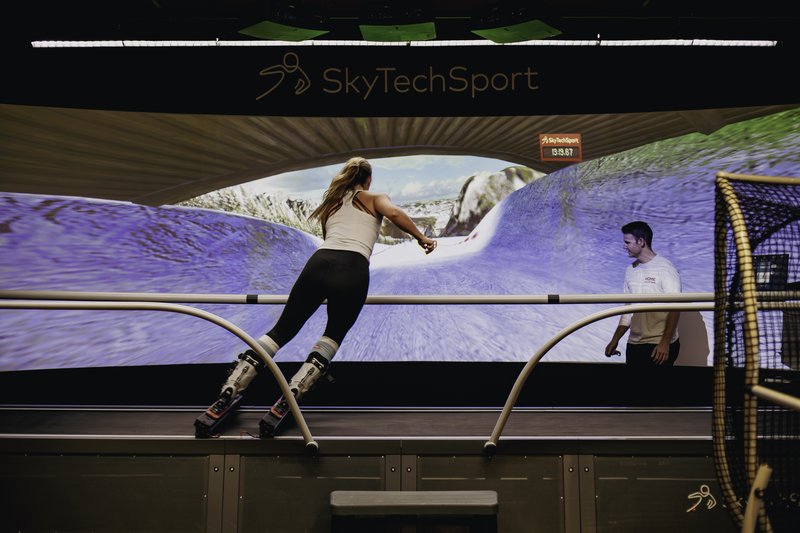
If you've ever wondered whether you can genuinely learn to ski — or sharpen your existing skills — without setting foot on a mountain, the answer is a resounding yes. Indoor ski lessons have become one of the smartest ways to build confidence, correct technique, and stay mountain-ready year-round. Whether you're a complete beginner nervous about your first run, or a seasoned skier looking to iron out a bad habit, here's everything you need to know about how indoor ski lessons actually work.
What Is an Indoor Ski Lesson, Exactly?
At Home Mountain Ski Club, indoor ski lessons take place on professional ski simulators — precision-engineered machines that replicate the feel of skiing on real snow. The simulator moves beneath you, responding dynamically to your weight shifts, edge angles, and turn timing, just as a slope would. An instructor stands with you throughout the session, providing real-time feedback and adjusting the simulator's settings — speed, gradient, and resistance — to match your current ability level. There are no lifts to queue for, no weather windows to chase, and no long drives to a resort. You simply arrive, gear up, and ski.
What Happens in Your First Session?
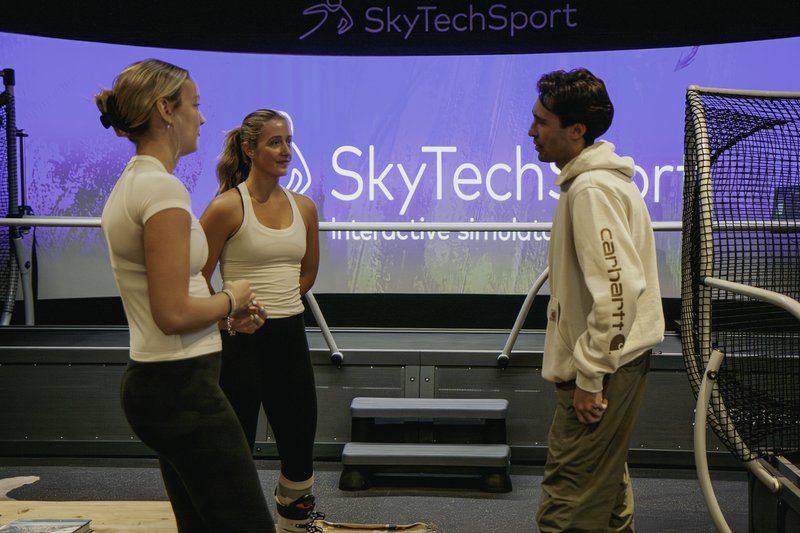
Before you step onto the simulator, your instructor will spend a few minutes learning about you — your skiing background (if any), your goals, and any physical considerations. This shapes the entire lesson plan. For first-timers, the session typically begins with stance and balance fundamentals. You'll learn how to stand with your weight centred, how to flex your ankles and knees correctly, and how to feel the edges of your skis engaging beneath you. The simulator starts slowly, giving you time to find your footing before the difficulty gradually increases. Most beginners are making their first linked turns by the end of a single one-hour session — something that often takes several days on a mountain.
Returning skiers use the first session differently. Your instructor will assess your current technique — watching your stance, hip alignment, pole plant timing, and how you handle pressure through the turn — and then build a targeted plan to address specific weaknesses. Because the environment is controlled and consistent, improvements happen faster than they typically would on a variable outdoor slope.
The Technology Behind the Training
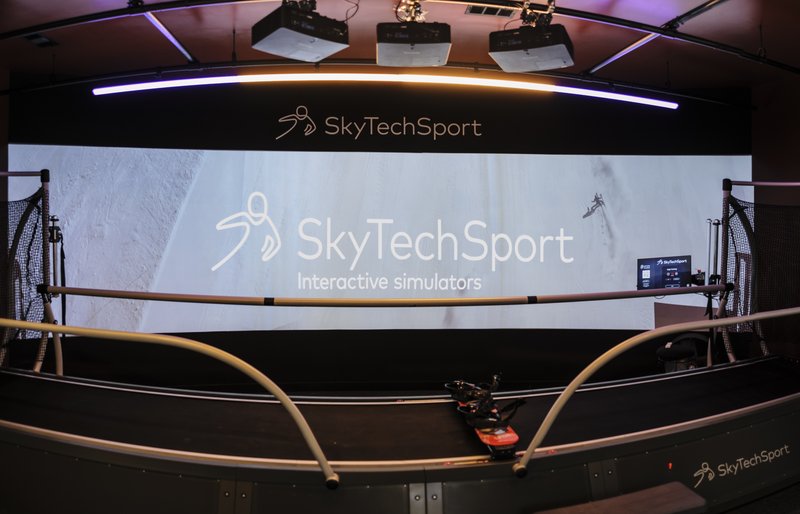
Home Mountain Ski Club uses ski simulators from SkyTechSport, the world's leading manufacturer of interactive sports simulators. These machines are used by national ski academies, professional coaching programmes, and resort training centres globally — which means the technology you're training on is exactly what elite athletes use. The moving ski surface responds to real biomechanical inputs, so there's no 'gaming' the system with incorrect technique. If your weight is too far back, you'll feel it immediately — and your instructor will help you correct it on the spot. This immediate feedback loop is one of the most powerful aspects of simulator-based learning and a key reason students often progress faster than they would on snow.
How Lessons Are Structured Over Time
Like any skill, skiing develops through consistent, progressive practice. At Home Mountain, lessons are designed to build on each other in a logical sequence. Beginners typically work through stance and balance, basic snowplough or parallel turns, rhythm and flow, and then more advanced carving and speed control. Intermediate and advanced skiers focus on refining technique, developing confidence on steeper terrain, and preparing for specific goals — like an upcoming ski holiday or a competitive season. Your instructor tracks your progress across sessions, so each lesson picks up exactly where the last one left off. Many members book a course of lessons in the months leading up to a mountain trip to arrive feeling fully prepared and confident.
Who Are Indoor Ski Lessons For?
The short answer is everyone. Complete beginners benefit enormously from learning the basics in a safe, controlled environment before ever hitting a slope — it removes a great deal of the anxiety that comes with a first ski trip. Children can start learning at a young age in a setting that feels far less intimidating than an actual mountain. Intermediate skiers can target specific weaknesses without the distraction of navigating a busy piste. And advanced or competitive skiers use simulator training to maintain fitness and sharpness between snow sessions, or to practise race-specific movements that would be difficult to drill repeatedly on a real run. Fitness and balance training can also be complemented with tools like the BalancePlay Pro, which is available at Home Mountain to support core stability and proprioception work alongside ski lessons.
Getting the Most from Your Indoor Training
A few simple habits will help you progress as quickly as possible. First, book consistently — weekly or fortnightly sessions build muscle memory far more effectively than occasional visits. Second, communicate openly with your instructor about what feels difficult or uncomfortable. The more they know, the more precisely they can tailor your training. Third, think about complementary fitness work between sessions: strong legs, a stable core, and good balance all translate directly to better skiing. Your instructor can point you toward specific exercises that support your on-simulator work. And finally, trust the process — skiing is a skill that builds gradually, but simulator training accelerates that curve significantly.
Ready to Book Your First Lesson?
Get in touch with our team today and we'll find the perfect session for your level and goals.
Look At Our Services →