

Mobility & Flexibility: The Secret Edge for Skiers and Snowboarders
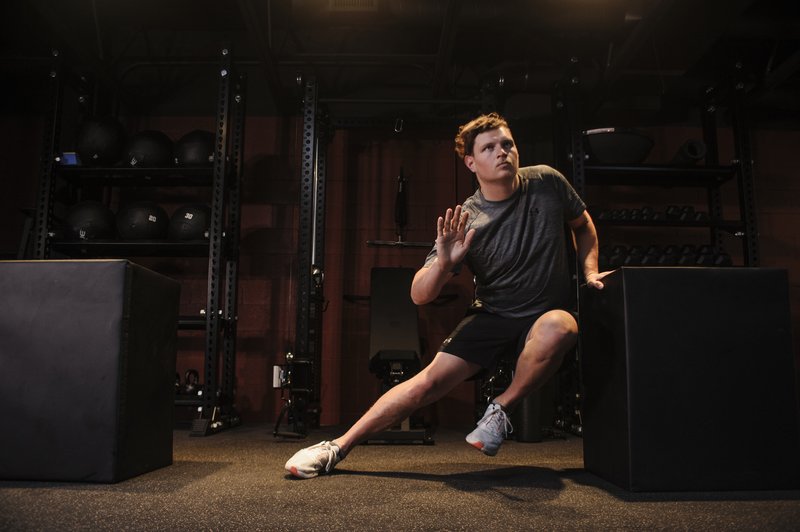
Every skier and snowboarder knows the feeling: you step off the chairlift on the first run of the season and your legs feel like borrowed equipment. Your hips resist, your ankles protest, and the fluid carves you imagined all summer stay stubbornly out of reach. The culprit is almost never fitness—it's mobility and flexibility. These two qualities sit quietly at the foundation of great skiing and snowboarding, yet they're the most commonly skipped part of off-season and in-season training. At Home Mountain Ski Club, we work with riders of every level, and we can say with confidence: athletes who invest even 15 minutes a day in targeted movement work show up to the snow with a measurable advantage.
Why Mobility and Flexibility Matter on the Slopes
Flexibility refers to the passive range of motion in a muscle or joint—how far it can stretch. Mobility goes a step further: it's the ability to actively control movement through that range. For skiing and snowboarding, both are critical. A skier needs flexible hip flexors to hold a strong athletic stance without tipping forward onto the tongue of the boot. A snowboarder needs mobile ankles and thoracic spine to link toe-to-heel transitions smoothly without stiffening up at speed. When either quality is lacking, the body compensates—often by over-rotating the lower back, locking the knees, or bracing the shoulders—patterns that leak power and invite injury. Knee injuries, lower-back strain, and hip impingement are among the most common complaints in snow sports, and a significant portion trace back to restricted movement patterns rather than isolated weakness.
The Key Areas to Target Before and During the Season
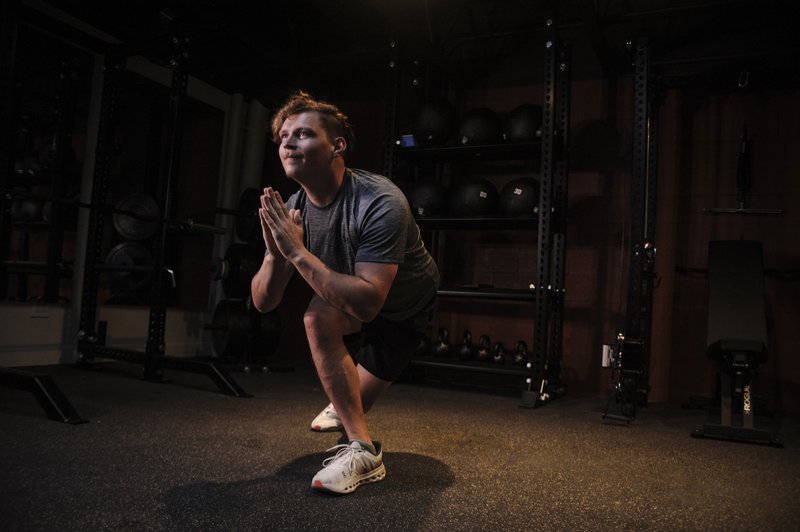
Not all joints are created equal when it comes to skiing and snowboarding demands. The ankles are your first point of contact with terrain feedback—restricted ankle dorsiflexion forces the knees to dive inward and collapses the arch of the athletic stance. The hips need both mobility and stability: tight hip flexors from desk work pull the pelvis forward and flatten the lumbar curve, making it nearly impossible to maintain a neutral spine in a tuck or on a steep pitch. The thoracic spine—the mid and upper back—drives rotational control in snowboarding and helps skiers use their poles effectively. Finally, the hamstrings and calves are constant players, absorbing shock on every landing and mogul. Addressing all four areas systematically is far more effective than a generic stretch-and-go warm-up.
A Practical Routine You Can Do Year-Round
The good news is that an effective mobility and flexibility routine for snow sports doesn't require a gym or elaborate equipment. Start with a 90-90 hip stretch: sit on the floor with both knees bent at 90 degrees, one leg in front and one behind, and hold for 60 to 90 seconds per side—this directly opens the hip rotators that dictate edge control. Follow it with ankle circles and wall-supported dorsiflexion stretches to restore the range your ski boots will demand. Thoracic rotations performed in a seated or kneeling position take only two minutes but can unlock the upper-body independence snowboarders rely on for counter-rotation. Close the session with a couch stretch to lengthen the hip flexors and a standing calf stretch with a bent knee to target the soleus—the deep calf muscle that works hardest inside a stiff boot. Perform this sequence five days a week and most riders notice real differences in their movement quality within three to four weeks.
How Simulator Training Reinforces Your Mobility Work
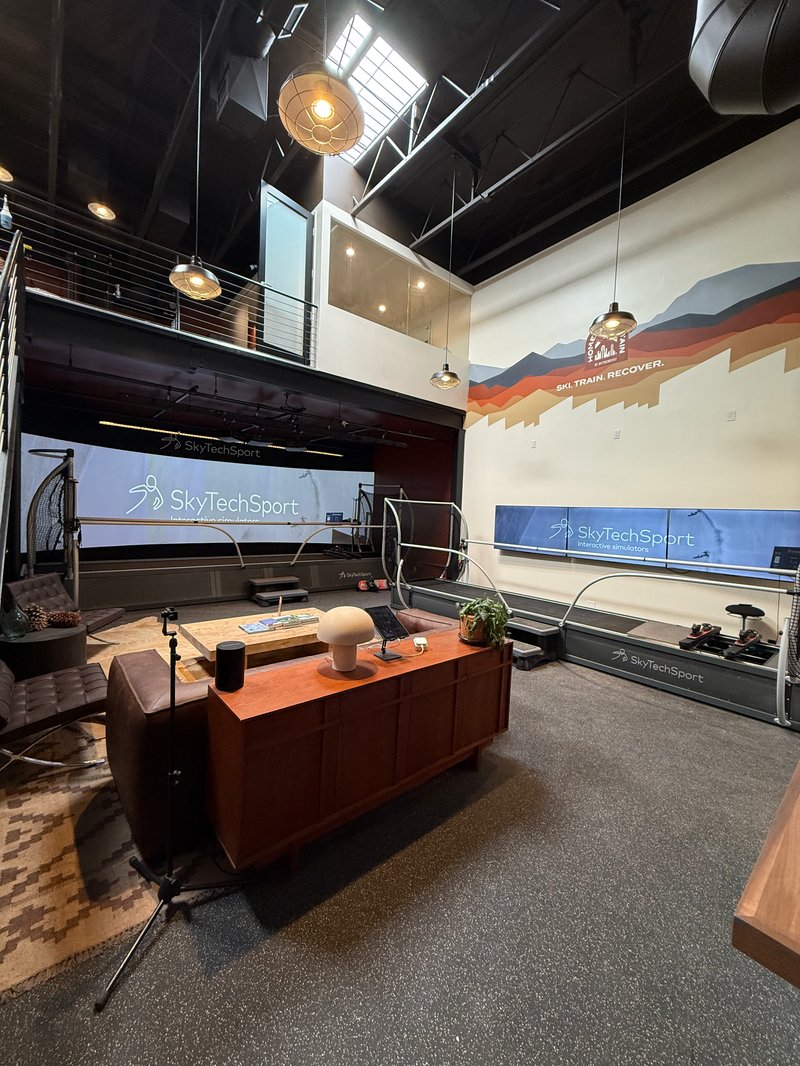
One of the unique advantages of training at Home Mountain Ski Club is the ability to translate your new range of motion directly into sport-specific movement. Our ski and snowboard simulators—built by SkyTechSport—place you in a real skiing or snowboarding position and provide immediate feedback on your balance, edge angle, and body alignment. After completing a mobility session, jumping on the simulator lets you feel whether your hips are truly moving freely through a carved turn, or whether there's still a compensation hiding in your pattern. This feedback loop accelerates learning far more efficiently than flexibility work alone. The SkyTechSport BalancePlay Pro, also available at our facility, adds another dimension by challenging proprioception and reactive balance—qualities that depend directly on having mobile, responsive joints. When your ankles and hips can move freely, the board or platform under you becomes something you can feel and respond to, not fight against.
Mobility as Injury Prevention—Not Just Performance
It's worth being direct: restricted mobility doesn't just slow you down, it sets the stage for injury. When a joint can't move through the range a sport demands, adjacent joints compensate—and those compensating structures are rarely designed for the load. Improving hip and ankle mobility reduces shear stress on the knees, which are notoriously vulnerable in both skiing and snowboarding. Better thoracic rotation means the lower back isn't forced to rotate beyond its safe range when a snowboarder initiates a heel-side turn. At Home Mountain Ski Club, our coaches integrate simple movement screens into initial consultations precisely to identify these patterns before they become problems on the hill. Addressing a tight hip flexor in October is far less disruptive than sitting out January with a strained lumbar.
Getting Started at Home Mountain Ski Club
Whether you're a weekend warrior gearing up for your first turns of the season or an advanced rider looking to sharpen your technique, integrating mobility and flexibility work into your training plan is one of the highest-return investments you can make. At Home Mountain Ski Club, our coaching staff can assess your current movement quality, recommend a personalized routine, and use our SkyTechSport simulators to help you put that improved range of motion to immediate use. The season doesn't wait—and neither should your preparation. Start moving better now so that when the snow arrives, your body is ready to make the most of every run.
Ready to Move Better on the Snow?
Book a mobility assessment and simulator session with our expert coaching team today.
Book a Session →