

Ski Prep Workouts to Get Ready Before the Season Starts
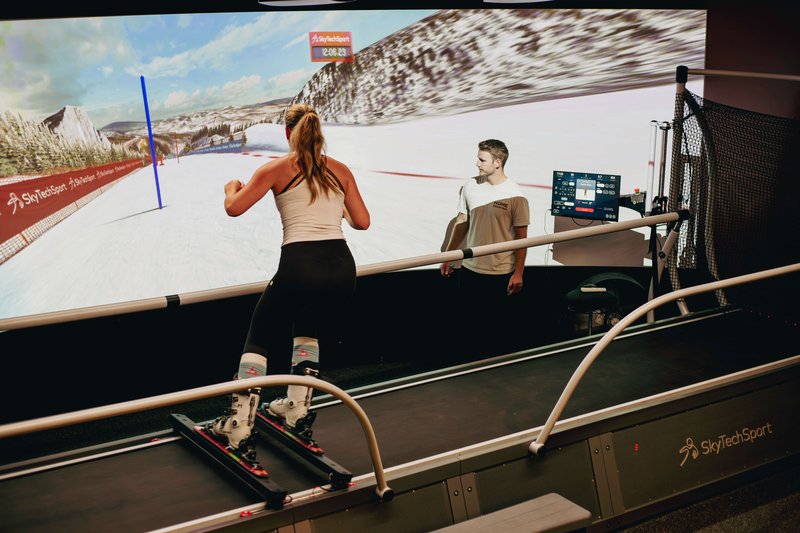
The lifts are weeks away from spinning, the forecast is looking promising, and that familiar itch to get back on snow is growing stronger by the day. But how you spend the weeks before opening day matters more than most skiers realize. Showing up to the mountain undertrained means tired legs by noon, sloppy technique by afternoon, and a much higher risk of injury before the season really gets going. A focused block of ski prep workouts changes all of that. Here is everything you need to know to arrive at the first run of the season genuinely ready.
Why Pre-Season Ski Training Is Worth the Effort
Skiing is a deceptively demanding sport. It asks your quads, glutes, and hip stabilizers to work under sustained load, your core to keep your upper and lower body coordinated across uneven terrain, and your proprioceptive system to make micro-adjustments dozens of times per run. When those systems are not conditioned, the body compensates in ways that lead to fatigue, poor form, and strain. A structured pre-season program builds the specific strength and movement patterns skiing requires, so your first day on snow feels like picking up where you left off rather than starting from scratch.
Build Quad and Glute Strength With Ski-Specific Exercises
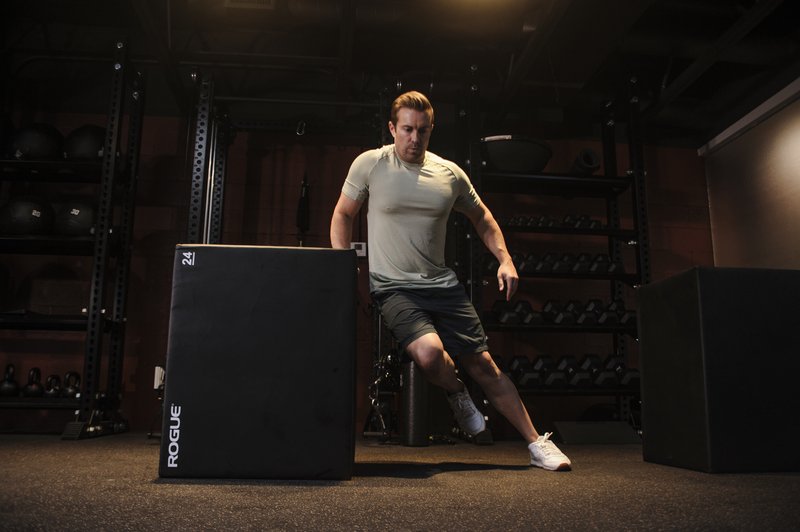
The cornerstone of any ski prep routine is lower-body strength training that mimics the demands of skiing. Wall sits are the classic starting point: hold a 90-degree squat position for 30 to 60 seconds to build the sustained quad endurance you need on a long groomer. Progress from there to split squats and Bulgarian split squats, which train single-leg strength and expose any imbalances between left and right. Add lateral band walks and clamshells to wake up your glute medius, the muscle most responsible for edge control and knee stability. Aim for three lower-body strength sessions per week, allowing at least 48 hours of recovery between sessions.
Core Stability: The Foundation of Good Ski Technique
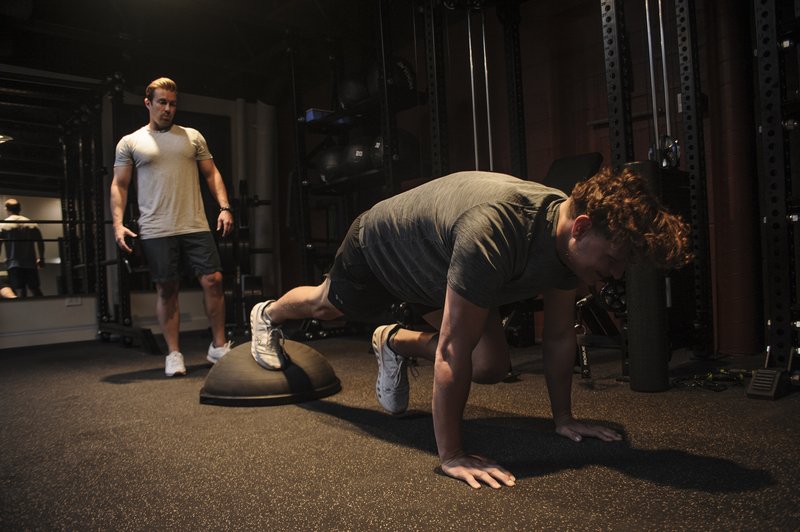
Skiers tend to focus almost entirely on their legs and neglect the core, but your trunk is the link between your skis and your poles. A weak core shows up as excessive rotation, loss of balance in variable snow, and back fatigue on longer days. Prioritize anti-rotation and anti-extension movements: planks, Pallof presses, dead bugs, and single-arm farmer carries all build the kind of bracing strength that transfers directly to the slope. Two to three core-focused sessions per week, even fifteen to twenty minutes tacked onto the end of a strength workout, will make a noticeable difference in how stable and efficient your skiing feels.
Balance and Proprioception Training for the Slopes
Strength without balance only gets you so far on snow. Proprioception training teaches your nervous system to react quickly to shifting terrain, and it is one of the most overlooked elements of pre-season preparation. Single-leg balance work is the simplest place to start: stand on one foot for 30 seconds at a time, then progress to doing it with eyes closed, on a folded mat, or while catching and throwing a ball. Lateral hops, agility ladder drills, and bosu ball squats all challenge your stabilizing muscles in the dynamic, reactive way skiing requires. At Home Mountain Ski Club, members can take this a step further by training on our ski simulator, which puts your balance and edging instincts to work in a controlled, coached environment before you ever click into your bindings on the mountain.
Cardiovascular Conditioning for Full-Day Energy on the Mountain
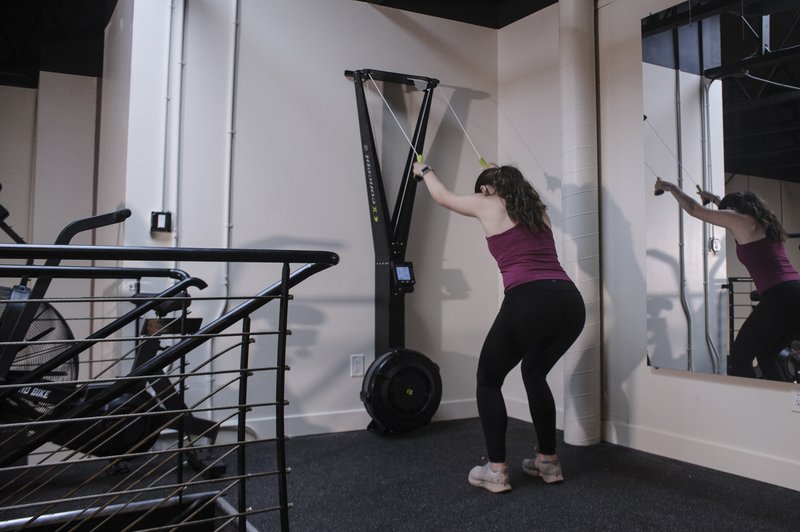
Skiing is not an aerobic sport in the traditional sense, but sustained cardiovascular fitness directly affects how quickly you fatigue and how well you recover between runs. Zone 2 cardio, meaning a steady effort at which you can still hold a conversation, builds your aerobic base efficiently. Cycling, rowing, and trail running translate well to skiing because they load the legs in positions similar to the athletic stance on snow. Add one or two interval sessions per week, such as cycling sprints or stair repeats, to develop the explosive power you use when absorbing a bump or accelerating out of a turn. Maintaining this combination of steady-state and higher-intensity work through October will pay dividends from your very first run.
How to Bring It All Together in the Weeks Before Opening Day
A realistic six-to-eight-week pre-season block might look like three strength sessions, two cardio sessions, and one balance or agility session per week, with one full rest day and one active recovery day built in. Start conservatively in week one and add volume or intensity gradually every two weeks. In the final two weeks before the season opens, reduce overall training load slightly to let your body absorb the work and arrive fresh. Complement your gym routine with on-snow practice sessions at our indoor training facility, where our ski simulator lets you rehearse proper stance, turn initiation, and edge pressure in a safe, year-round setting. Pairing structured gym work with simulator sessions is one of the most efficient paths from the gym floor to confident skiing on day one.
Start Your Pre-Season Training Today
Book a simulator session at Home Mountain Ski Club and arrive at the mountain ready to make the most of every run.
Pricing →