

Ski Technique Tips to Improve Your Skiing This Season
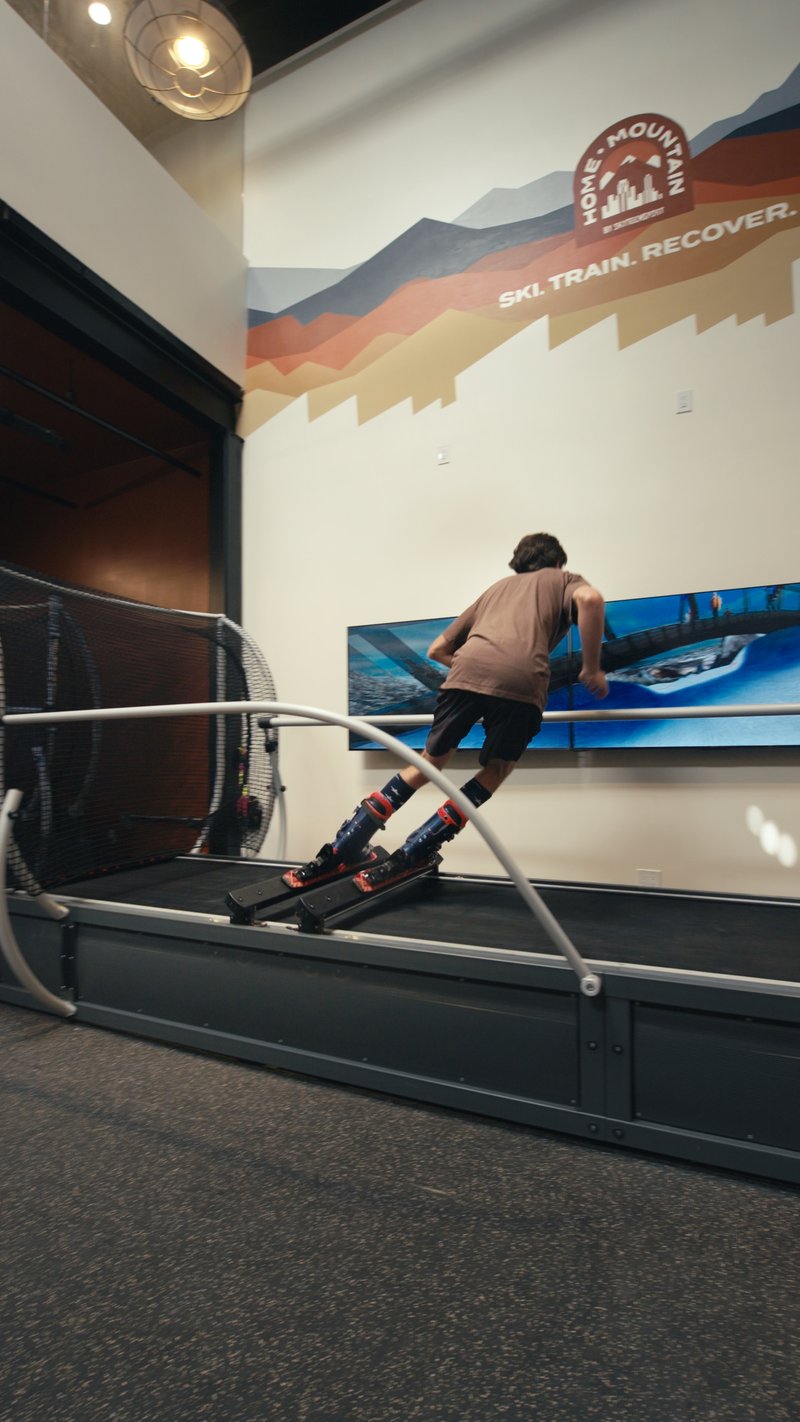
Whether you're clicking into skis for the first time or chasing smoother carved turns after years on the mountain, refining your technique is what separates a good day on the snow from a great one. The encouraging truth is that the fundamentals of skiing are learnable at any age, and with the right drills and consistent feedback, improvement happens faster than most people expect. Here at Home Mountain Ski Club, we work with skiers of every level, and we've distilled the most impactful ski technique tips our instructors use every single day.
Start With a Strong Athletic Stance
Everything in skiing flows from your stance. Think of it the way a tennis player or basketball player positions their body before they react — balanced, centred, and ready to move. On skis, that means keeping your feet roughly hip-width apart, softening your ankles and knees, and tipping your shins forward so they gently press into the front of your boot cuffs. Your hands should sit in your peripheral vision, slightly forward and out to the sides, like you're holding a serving tray. A common mistake at every level is sitting back on the tails of the skis when things feel uncertain. Resist that urge. Pressure through the ball of your foot gives you control; sitting back takes it away.
Master Edge Control Before Worrying About Speed
Edges are your only point of contact with the snow, which makes edge control the single most important skill you can develop. Begin by practising traverses across the hill, consciously rolling your ankles to engage and release the uphill edge. Once that feels natural, work on falling-leaf exercises — gliding diagonally, stopping, then sliding back the other way without fully turning. These drills build the ankle-to-hip connection that powers every turn. Intermediate skiers often plateau because they rely on skidding to slow down rather than genuinely steering with their edges. If you hear a scraping sound through most of your turns, that's your cue to work on edge engagement.
The Secret to Cleaner Turns: Patience and Pole Plant
Rushing into the next turn is one of the most persistent habits we see, and it's usually rooted in anxiety rather than technique. The fix is developing patience at the top of each turn — letting the skis finish arcing before you initiate the next one. A well-timed pole plant is the trigger that helps you stay rhythmic. Reach forward and down the hill with your pole, touch the snow as your skis pass through the fall line, and use that moment to cue your weight transfer onto the new outside ski. The pole plant isn't about digging in; it's a timing device that keeps your upper body quiet and your lower body active. Practise it on gentle groomed runs until it becomes automatic.
Develop Carving Skills Gradually
Carving — where the ski tracks a clean arc with minimal skidding — is the goal that most intermediate and advanced skiers are working toward. It requires sufficient edge angle, correct pressure distribution, and a willingness to trust the ski's geometry to do the work. A simple drill to build carving awareness is to ski on a gentle blue run and focus on making short-radius turns entirely on the edges of your boots, exaggerating the ankle roll. You should see two thin, clean lines in the snow behind you rather than a wide, scraped swath. On steeper terrain, carving demands that you angulate — bending at the hip toward the hill while keeping the shoulders level — to increase edge angle without leaning the whole body inward and losing balance.
How Indoor Simulator Training Accelerates Technique
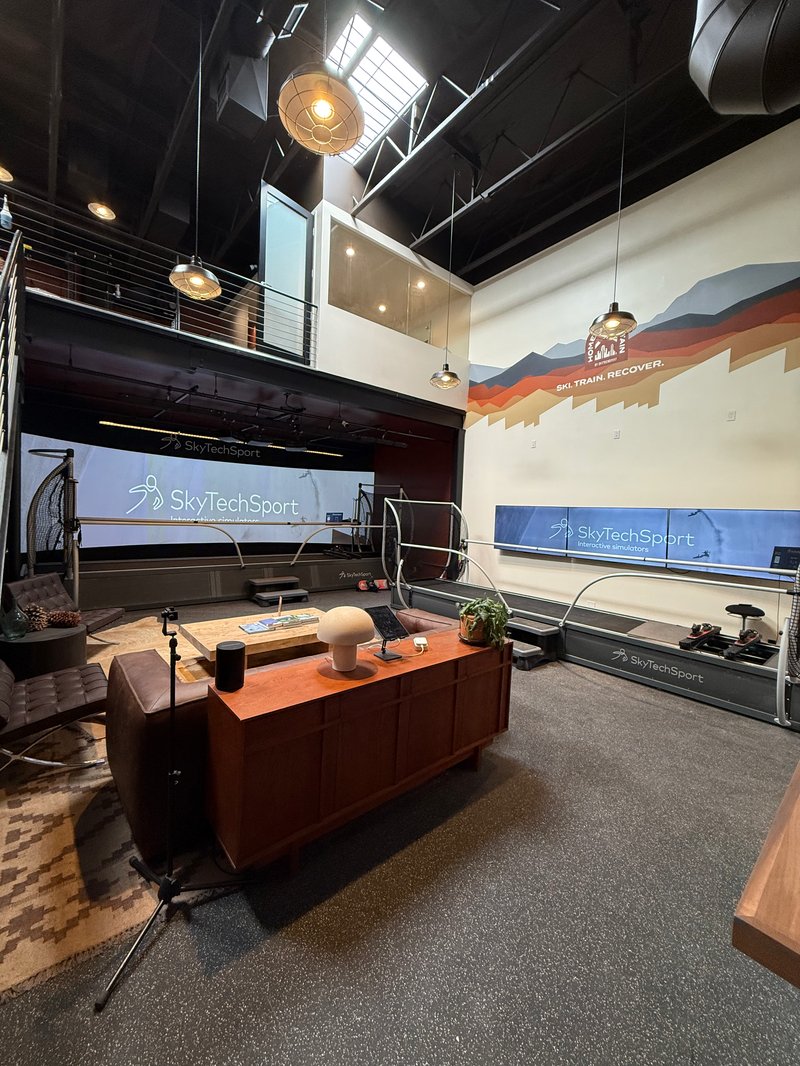
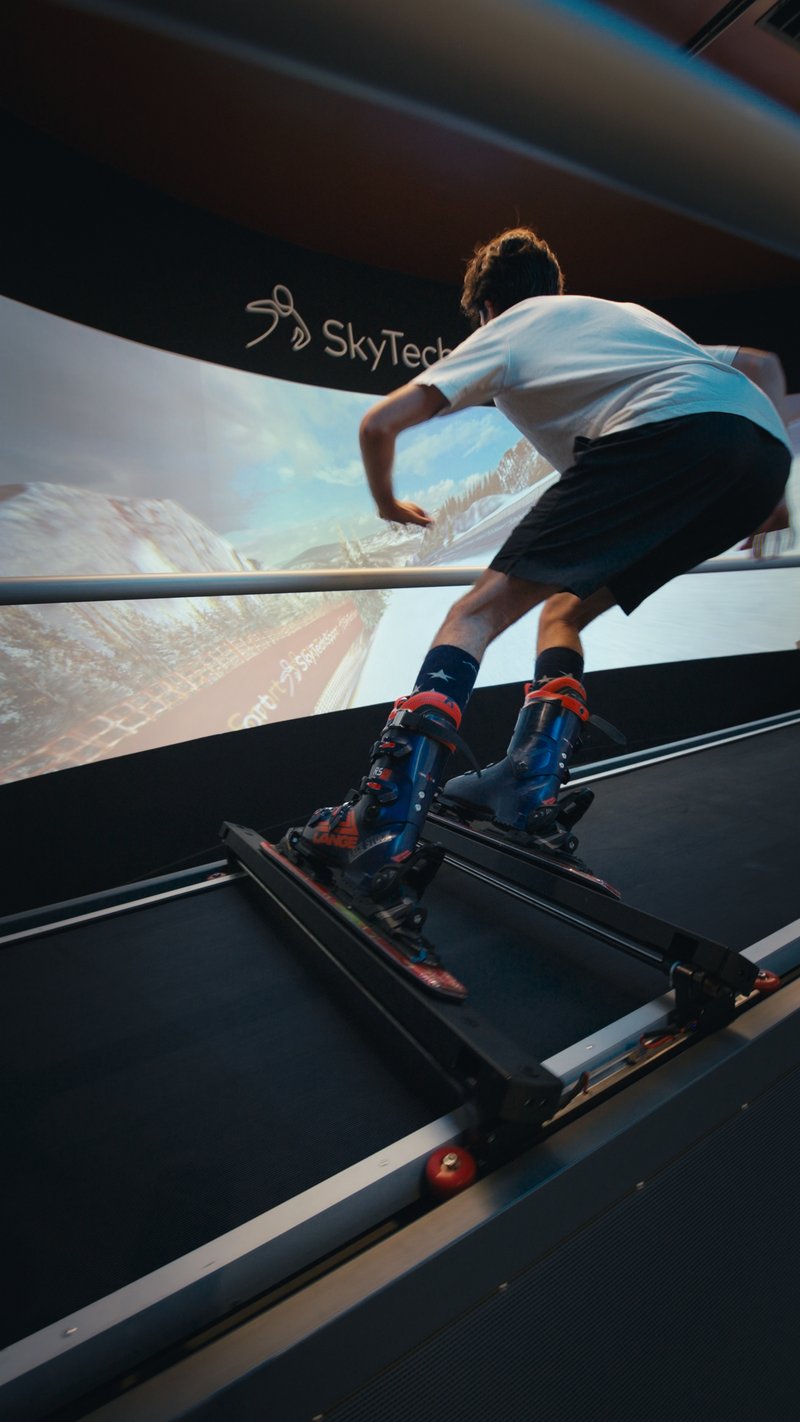
One of the biggest challenges in ski improvement is access to repetition. A typical ski day offers perhaps 20 to 30 runs, broken up by lift rides, rest stops, and variable conditions. Indoor ski simulator training solves that problem. At Home Mountain Ski Club, we use the SkyTechSport ski and snowboard simulator to give skiers a continuous, repeatable surface where instructors can observe your movement patterns in real time and provide immediate feedback. There's no lift queue, no icy patch sending you off course, and no fatigue from lugging gear — just focused, deliberate practice. Beginners can learn the correct stance and edging motion without the intimidation of a real slope, while advanced skiers can isolate specific movement patterns, like hip angulation or weight transfer timing, and drill them until they're ingrained. The BalancePlay Pro, also part of our training toolkit, adds another dimension by challenging your dynamic balance and proprioception — the body awareness that underpins every aspect of on-snow performance.
Build a Year-Round Training Habit
Skiing is a seasonal sport, but improvement doesn't have to be. The skiers who make the biggest leaps from one winter to the next are almost always those who maintain some form of training in the off-season. That doesn't mean you need to be in the gym seven days a week. A mix of balance training, leg strength work, and regular sessions on the simulator keeps the neural pathways sharp and your body conditioned for the demands of a ski run. When the mountain opens, you'll spend your first runs rediscovering confidence rather than rebuilding from scratch. Pairing your on-snow lessons with simulator sessions at Home Mountain Ski Club is one of the most efficient routes to consistent, measurable progress — whatever level you're starting from.
Ready to Refine Your Ski Technique?
Book a simulator training session at Home Mountain Ski Club and get expert coaching tailored to your level.
Packages →