

VO2 Max 45 for Women: What It Means for Ski Fitness
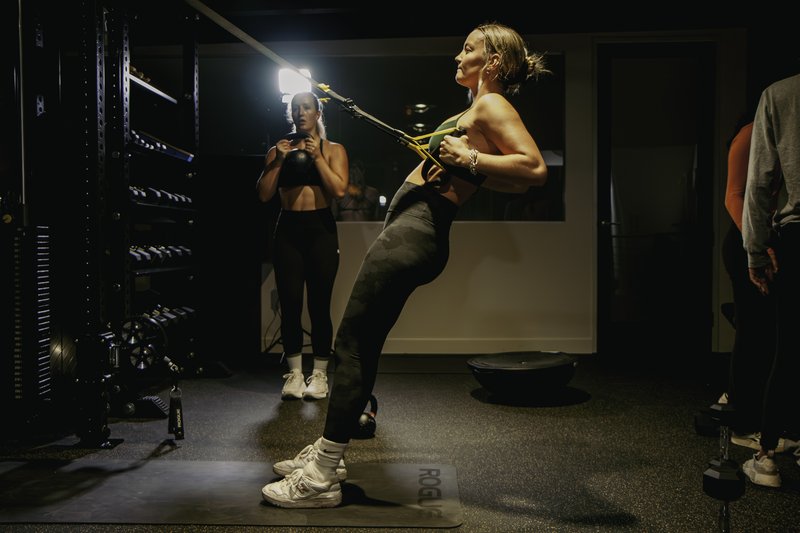
You've just come off a fitness test and your VO2 max reads 45 ml/kg/min. Maybe your smartwatch estimated it, maybe a coach measured it formally. Either way, you're wondering what it actually means — and whether it's good enough to ski harder, longer, and with more control. The short answer: a VO2 max of 45 is genuinely impressive for women, placing you well above average. But understanding where it sits, why it matters on the mountain, and how to nudge it higher is where things get interesting.
What Does a VO2 Max of 45 Actually Mean?
VO2 max is the maximum rate at which your body can consume oxygen during intense exercise. It's measured in millilitres of oxygen per kilogram of body weight per minute (ml/kg/min) and is widely considered the gold standard of cardiovascular fitness. For women, population norms published by exercise physiology bodies place an average 30–39-year-old at roughly 31–37 ml/kg/min, and a 40–49-year-old at around 28–35 ml/kg/min. A score of 45 ml/kg/min puts most women firmly into the 'superior' or 'excellent' category regardless of age bracket. In practical terms it means your heart and lungs can deliver oxygen to working muscles efficiently — you'll recover faster between ski runs, sustain intensity through long groomer days, and handle altitude better than most recreational skiers.
Why VO2 Max Matters More on Skis Than You Think
Skiing is deceptively aerobic. A long cruising run might feel like a lower-body strength exercise, but your cardiovascular system is working hard to sustain muscle contractions, manage balance, and cope with cold air and often reduced oxygen at altitude. Studies in applied sports science consistently show that skiers with higher VO2 max values are better at sustaining turn quality late in a run, recovering between steep pitches, and avoiding the fatigue-driven mistakes that cause falls and injuries. With a VO2 max of 45, you have a genuine aerobic engine. The question is whether you're training specifically enough to apply it on snow.
How Indoor Ski Training Targets Your Aerobic Base
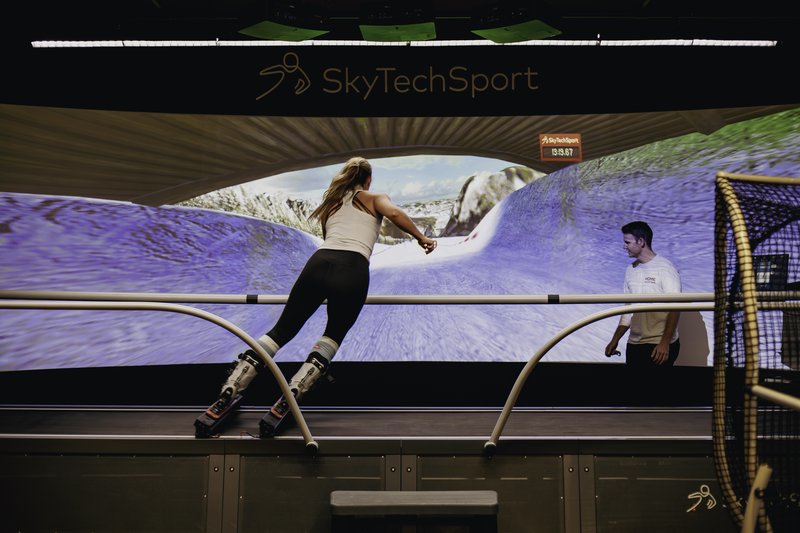
At Home Mountain Ski Club, sessions on the ski simulator place your body in exactly the demands of real slope skiing: dynamic lateral loading, continuous core engagement, and sustained cardiovascular output. Unlike a stationary bike or treadmill, simulator training forces you to maintain athletic posture under fatigue — the same condition that degrades technique on the mountain. Training in this way achieves two things at once: it develops the sport-specific muscular endurance that complements your aerobic capacity, and it creates the kind of varied intensity intervals (hard turns followed by short recovery traverses) that research associates with VO2 max improvement. For women already sitting around 45 ml/kg/min, targeted high-intensity interval work on the simulator can push that ceiling meaningfully higher over a consistent 8–12 week block.
Training Zones: Making Your VO2 Max Work for You
Knowing your VO2 max gives you a useful anchor for structuring training intensity. A score of 45 ml/kg/min corresponds to a VO2 max heart rate that most women can estimate from a ramp test or a coached assessment session. From there, you can identify your threshold zone — typically 75–85% of VO2 max — where the biggest aerobic adaptations happen. At Home Mountain, coaches use this information to structure simulator sessions that cycle between threshold efforts and active recovery, a protocol that produces measurable gains in aerobic capacity without requiring you to hit the gym separately. Adding balance and proprioception work through tools like the BalancePlay Pro between simulator runs trains the neuromuscular system simultaneously, so fitness gains translate directly into better ski control rather than raw fitness alone.
Can You Raise Your VO2 Max Past 45?
Yes — though it requires progressively more disciplined stimulus the fitter you get. Genetics set an upper ceiling, but most recreational and club-level athletes are training well below their genetic potential. For women in the 40–55 age range, research suggests that consistent high-intensity aerobic training can raise VO2 max by 10–20% from baseline. For someone starting at 45, that means a realistic target range of 49–54 ml/kg/min is achievable with structured effort over a season. The keys are progressive overload (incrementally harder or longer efforts), variety (mixing steady-state aerobic work with short maximal intervals), and adequate recovery. Indoor ski training fits naturally into this framework because the sport-specific demand keeps intensity honest — it's harder to cheat effort on a simulator than on a gentle jog.
Putting It All Together Before the Season
Pre-season is the ideal window to convert an already-strong VO2 max of 45 into measurable on-snow performance. A typical Home Mountain pre-season programme runs 6–10 weeks and combines structured simulator sessions, ski-specific strength conditioning, and balance training designed to peak your fitness just as the lifts open. If your goal is to ski more days without fatigue, manage more challenging terrain, or simply feel confident the moment you clip in your boots, your aerobic base is already a strong foundation. The work now is making sure your technique, balance, and sport-specific endurance are developed enough to use every ml/kg/min you've earned.
Ready to Ski Stronger This Season?
Book a pre-season fitness and simulator session at Home Mountain and put your aerobic fitness to work on snow.
Book a Session →