

What to Wear for Indoor Ski Lessons: A Complete Guide
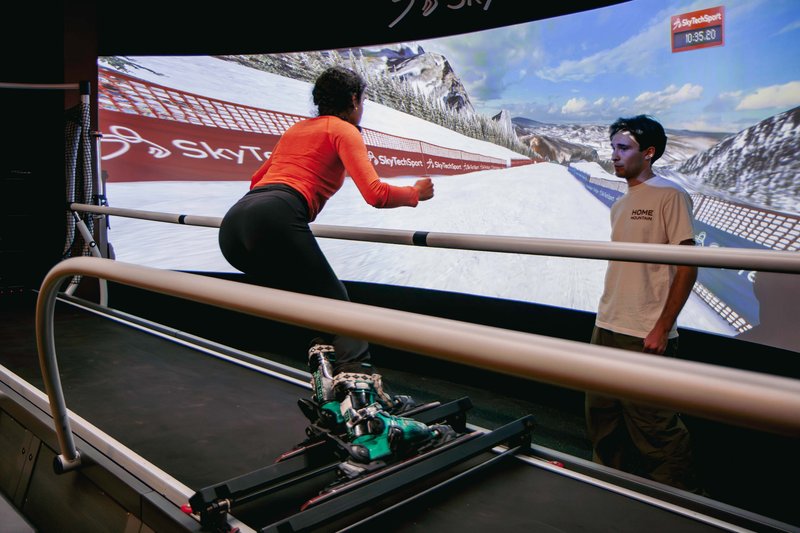
Booking your first indoor ski lesson is an exciting step — but once the confirmation email lands, the next question is almost always the same: 'What do I actually wear?' Indoor ski training is a world away from a cold mountain piste, yet it still demands clothing that lets you move freely, stay comfortable, and protect you if you take a tumble. Whether you're stepping onto a ski simulator for the very first time or heading into a group lesson at Home Mountain Ski Club, this guide walks you through everything you need to pack.
How Indoor Ski Training Differs From Outdoor Skiing
Before diving into the kit list, it helps to understand the environment. At Home Mountain, lessons take place on ski simulators and indoor training surfaces rather than an open mountain. That changes a few key variables. The temperature is controlled and comfortable — you won't be battling sub-zero winds. The surface is synthetic or machine-driven rather than natural snow. And the pace of learning is often faster, because an instructor can work with you in a focused, distraction-free setting. The result: you'll likely work up more body heat than you expect, and the gear that keeps you warm on a chairlift can actually hinder you inside.
The Base Layer: Your Most Important Clothing Choice
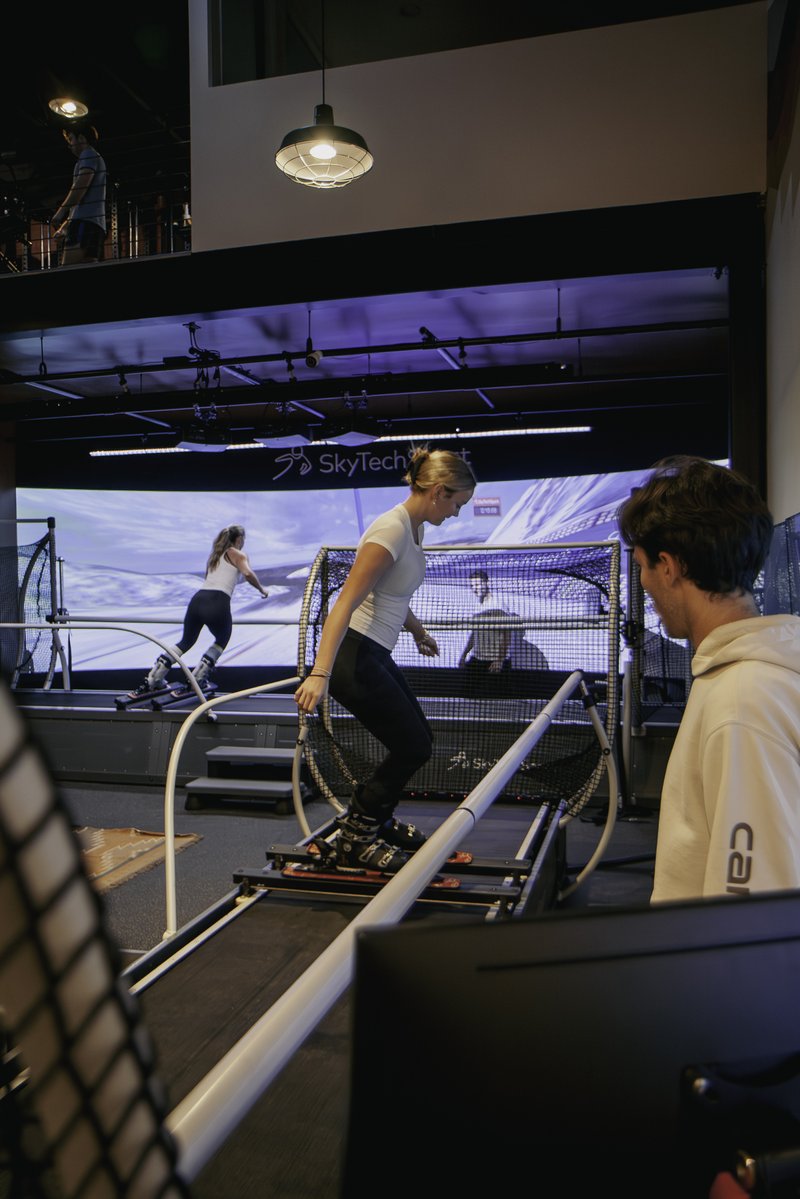
Start with a breathable, moisture-wicking base layer next to your skin. Lightweight merino wool or a quality synthetic fabric (think running or cycling underlayers) works brilliantly. Avoid thick cotton — it absorbs sweat and becomes heavy and uncomfortable surprisingly quickly once you start practising turns and weight shifts. A fitted long-sleeve top and full-length leggings or base-layer trousers give instructors a clear view of your body position, which helps them give better feedback. This might seem like a small detail, but good coaching relies on seeing how your hips, knees, and ankles are aligned.
Mid-Layer and Outer Layer: Keep It Light and Flexible
For most indoor lessons you won't need a heavy ski jacket. A light fleece or softshell top over your base layer gives you just enough warmth without overheating. If you own ski trousers, they're perfectly fine to wear — the reinforced knees and relaxed cut suit the wide stance of skiing. Alternatively, flexible sports trousers or joggers that allow a deep squat are a good substitute. Avoid stiff denim jeans at all costs; they restrict movement significantly and become very uncomfortable during the athletic positions skiing demands. If your lesson includes time on a ski simulator, fitted clothing is preferable to anything baggy that could catch on moving parts.
Footwear: What to Bring and What to Leave at Home
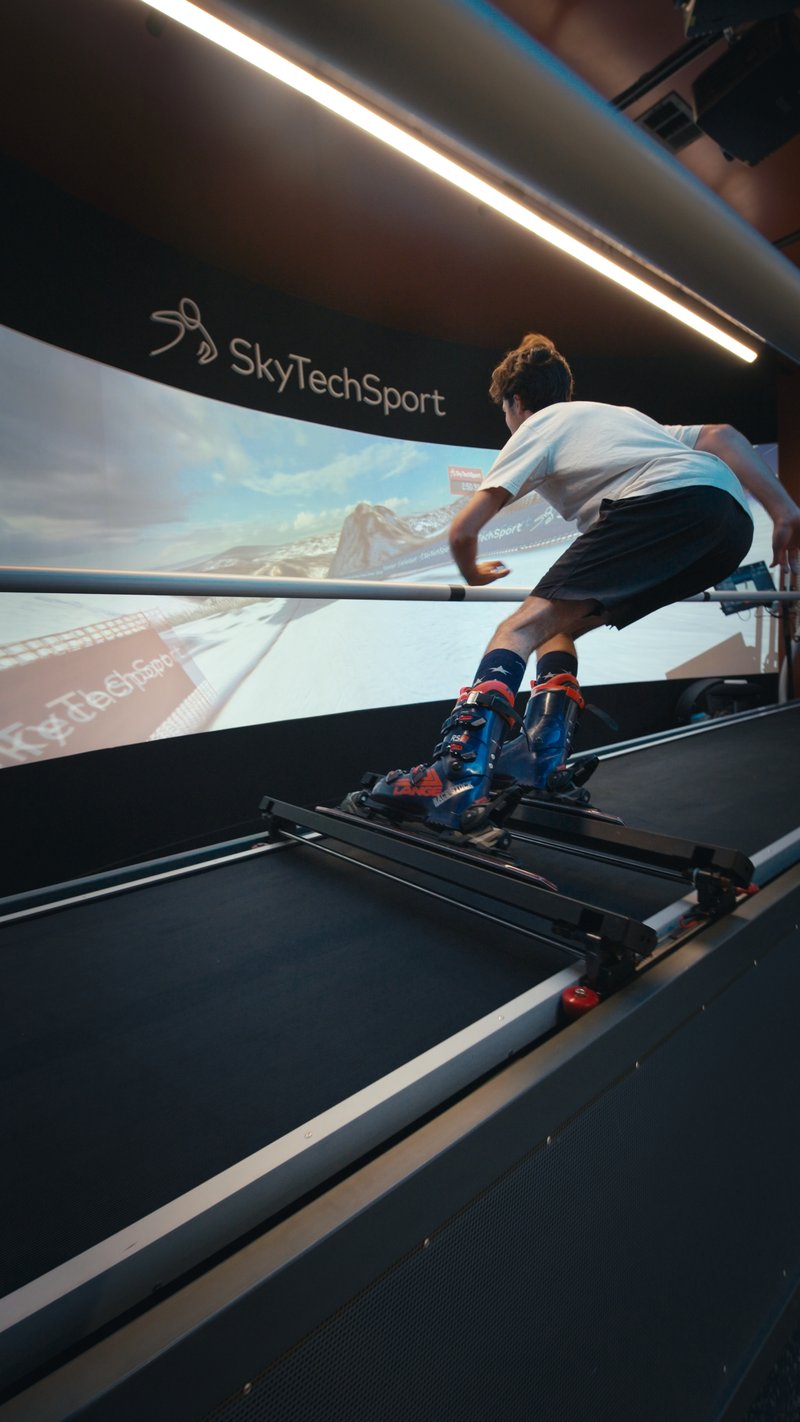
You will be fitted with ski boots for your lesson, so what you wear on your feet beforehand is mostly about arriving comfortably. Bring a pair of thin to medium-weight ski socks if you own them — they're cut to sit smoothly inside a ski boot without bunching. Knee-high length is ideal. If you don't have dedicated ski socks yet, a pair of long, thin sports socks works as a temporary solution. Avoid fluffy thermal socks; they compress inside the boot and can actually reduce blood circulation and warmth. Trainers or slip-on shoes are perfect for walking to and from the session.
Protective Gear: Helmets, Wrist Guards, and Padding

Safety equipment matters even indoors. Home Mountain provides helmets for all learners, and wearing one is non-negotiable — falls happen at every level, and head protection is simply sensible. If you're prone to wrist injuries or have had one in the past, a pair of wrist guards (the kind used for snowboarding or skateboarding) offers valuable peace of mind. Padded shorts designed for skiing or skateboarding can cushion your hips and tailbone during early lessons when tumbles are more common. None of this kit is bulky or expensive, and it lets you push yourself a little harder knowing you've got protection in place.
Accessories and the Little Things That Make a Difference
A few small additions can make your lesson noticeably more comfortable. Bring a small water bottle — you'll be more active than you anticipate and staying hydrated keeps your concentration sharp. A light pair of gloves is optional indoors but can be useful if your hands tend to run cold or if you're working on pole technique. Leave heavy jewellery, watches, and rings at home or in your bag; they can become uncomfortable under gloves or inside protective gear. Finally, tie long hair back securely before putting on a helmet to keep it comfortable throughout the session. Arriving slightly early to get changed and fitted for boots without rushing also makes a genuine difference to how relaxed and ready you feel when the lesson begins.
A Quick Pre-Lesson Checklist
To summarise everything above, here's what to bring to your indoor ski lesson at Home Mountain: a moisture-wicking base layer top and bottoms; flexible ski trousers, joggers, or sports trousers; a light fleece or softshell mid-layer; thin ski socks or long sports socks; trainers or slip-on shoes for arrival; a water bottle; and optionally, wrist guards and padded shorts if you want extra protection. Helmets are provided on-site. Ski boots are fitted for you. Everything else you need will be guided by your instructor. The main principle is simple: dress to move, not to impress — and leave the heavy-duty mountain kit for the slopes themselves.
Ready to Book Your First Lesson?
Get in touch with our team and we'll match you with the perfect indoor ski session.
Book a Session →